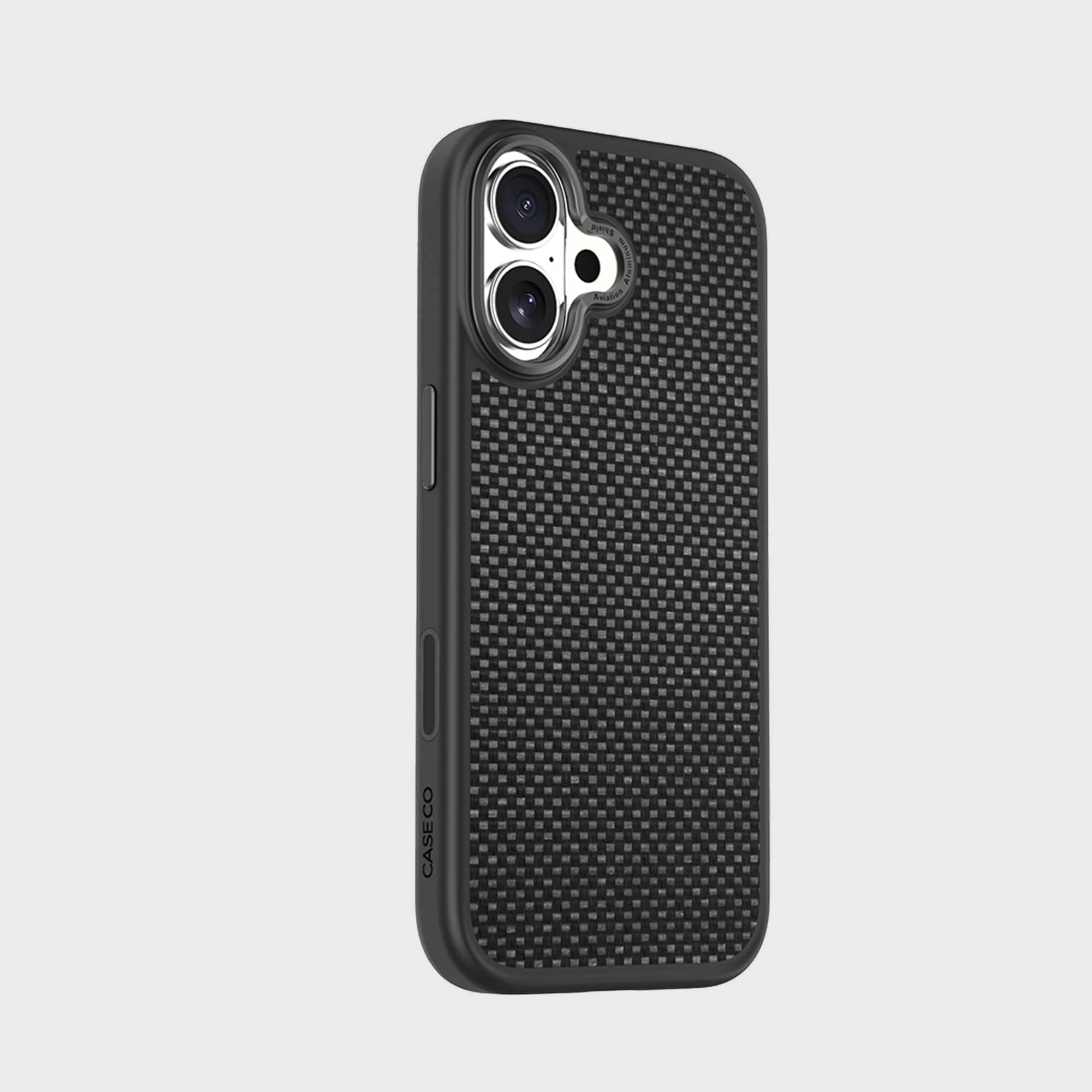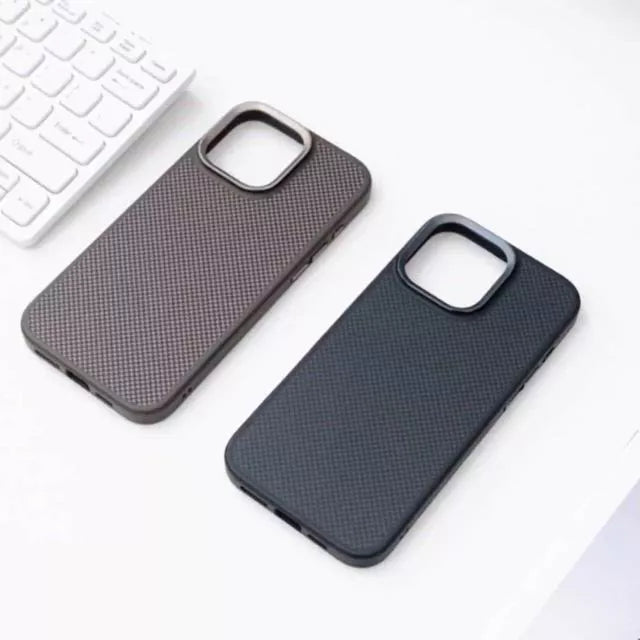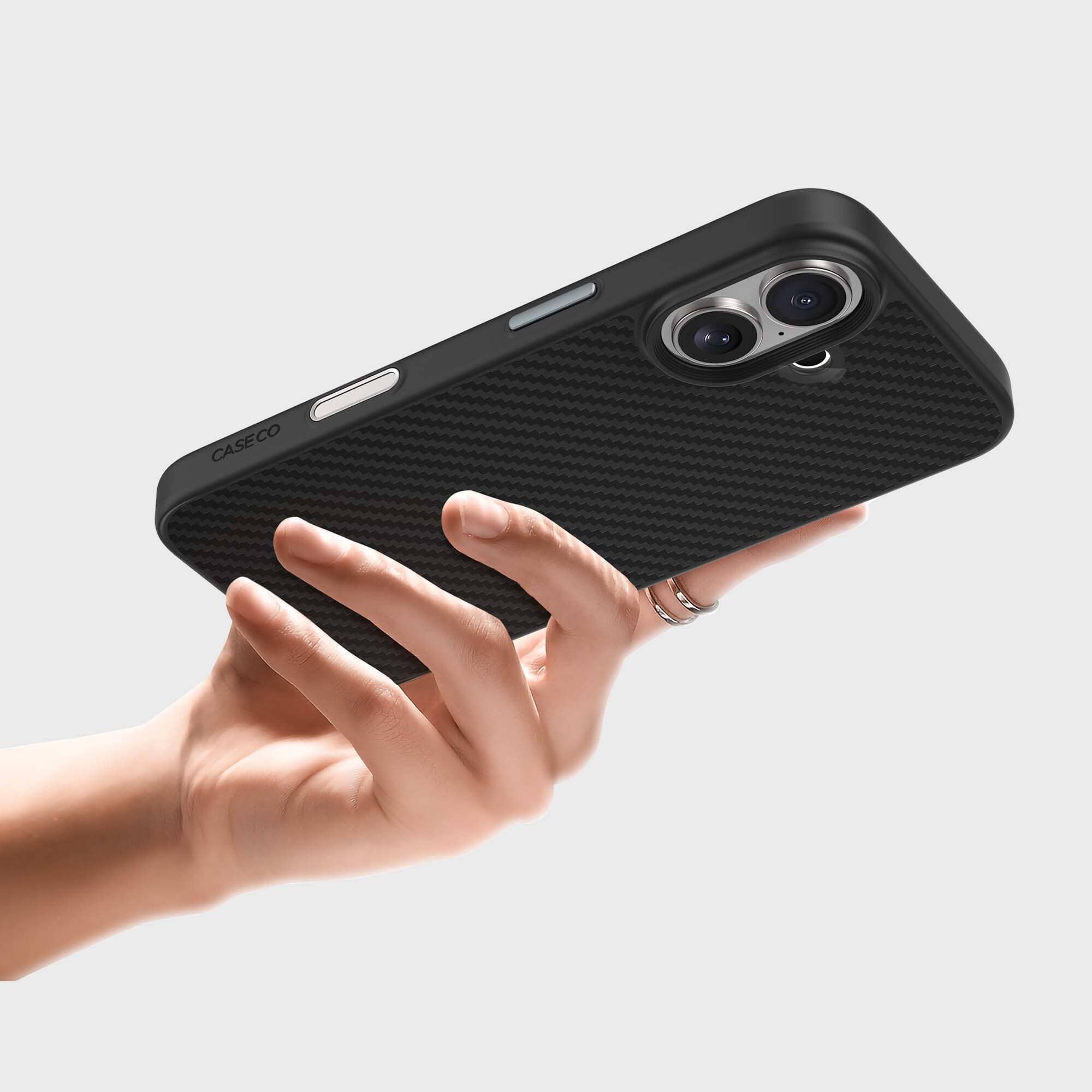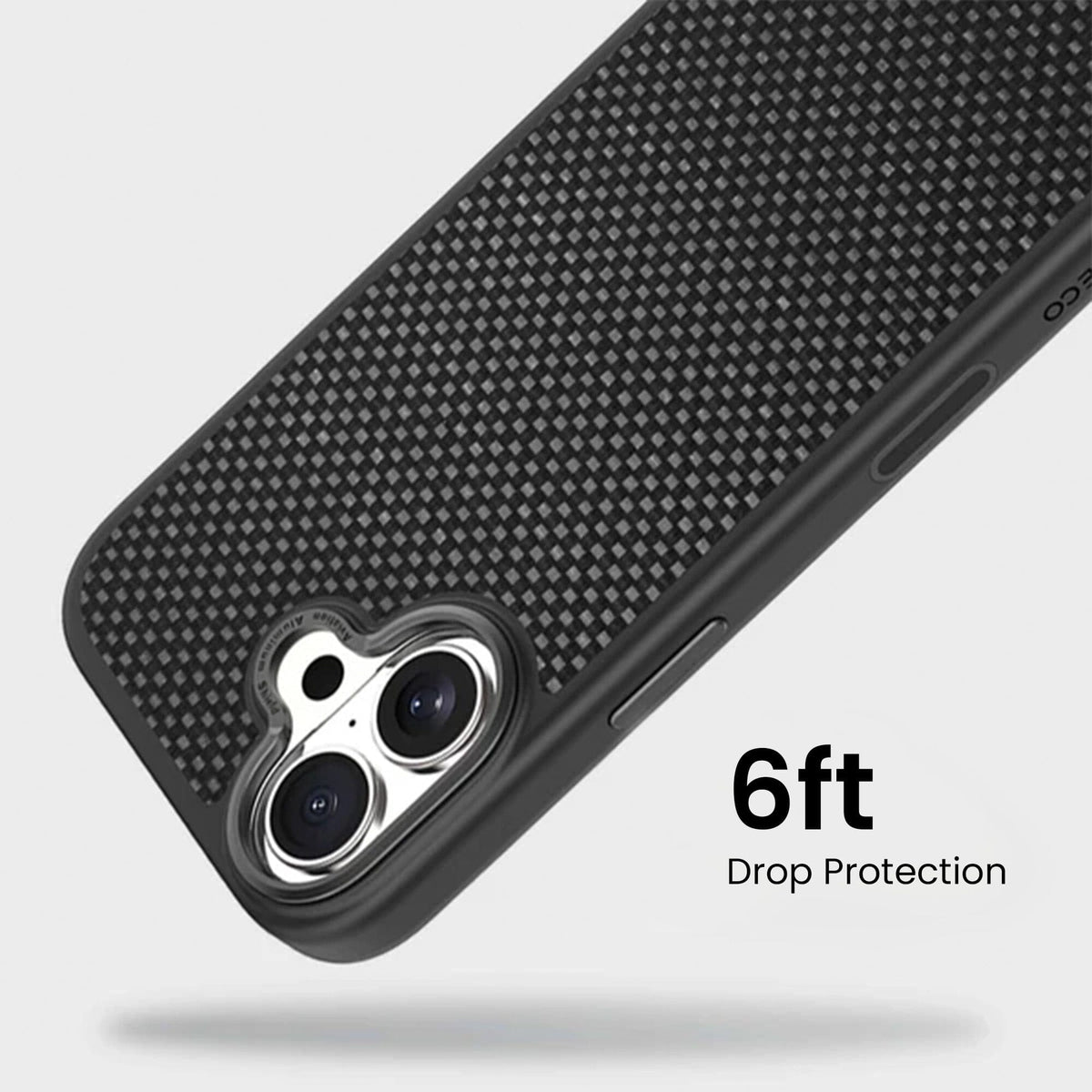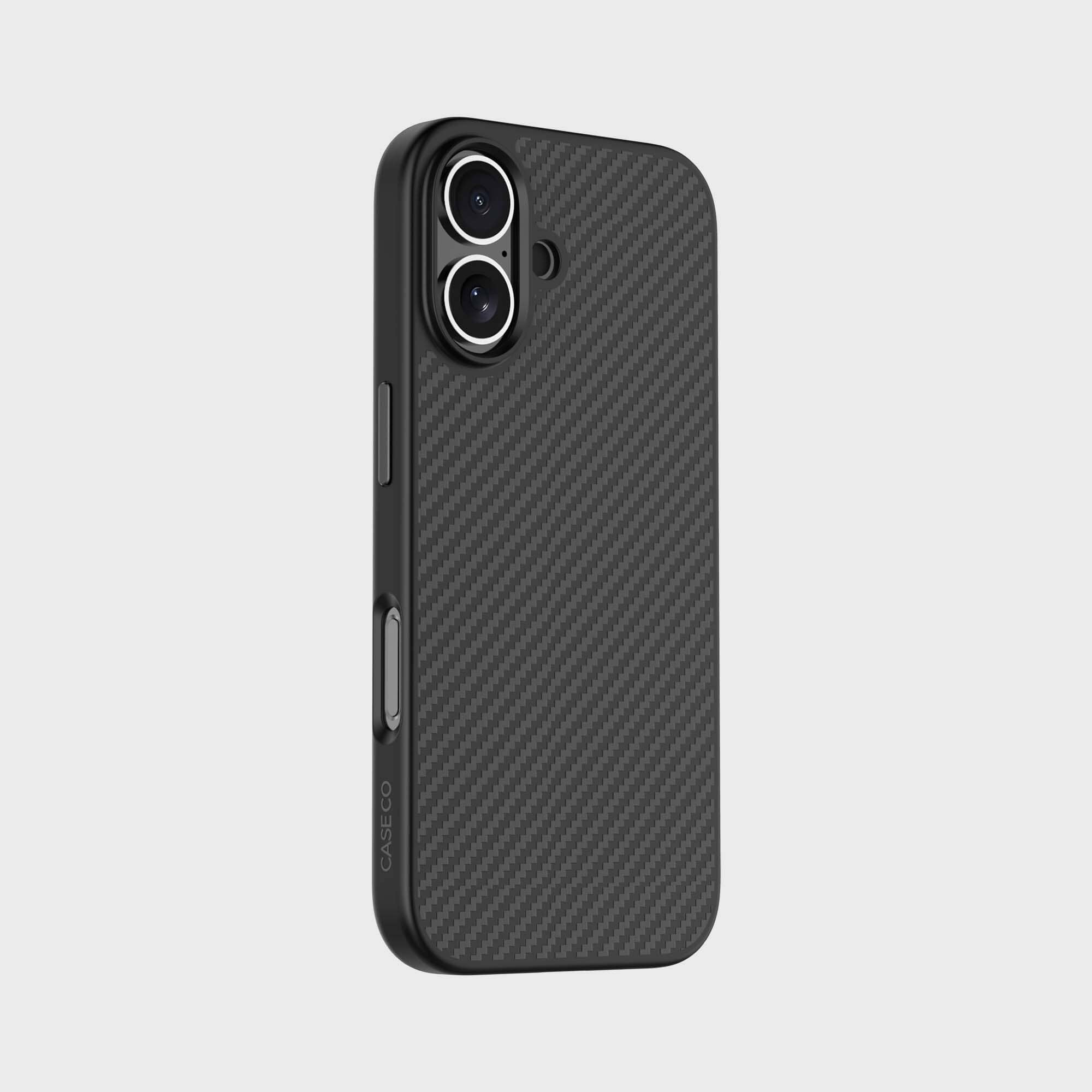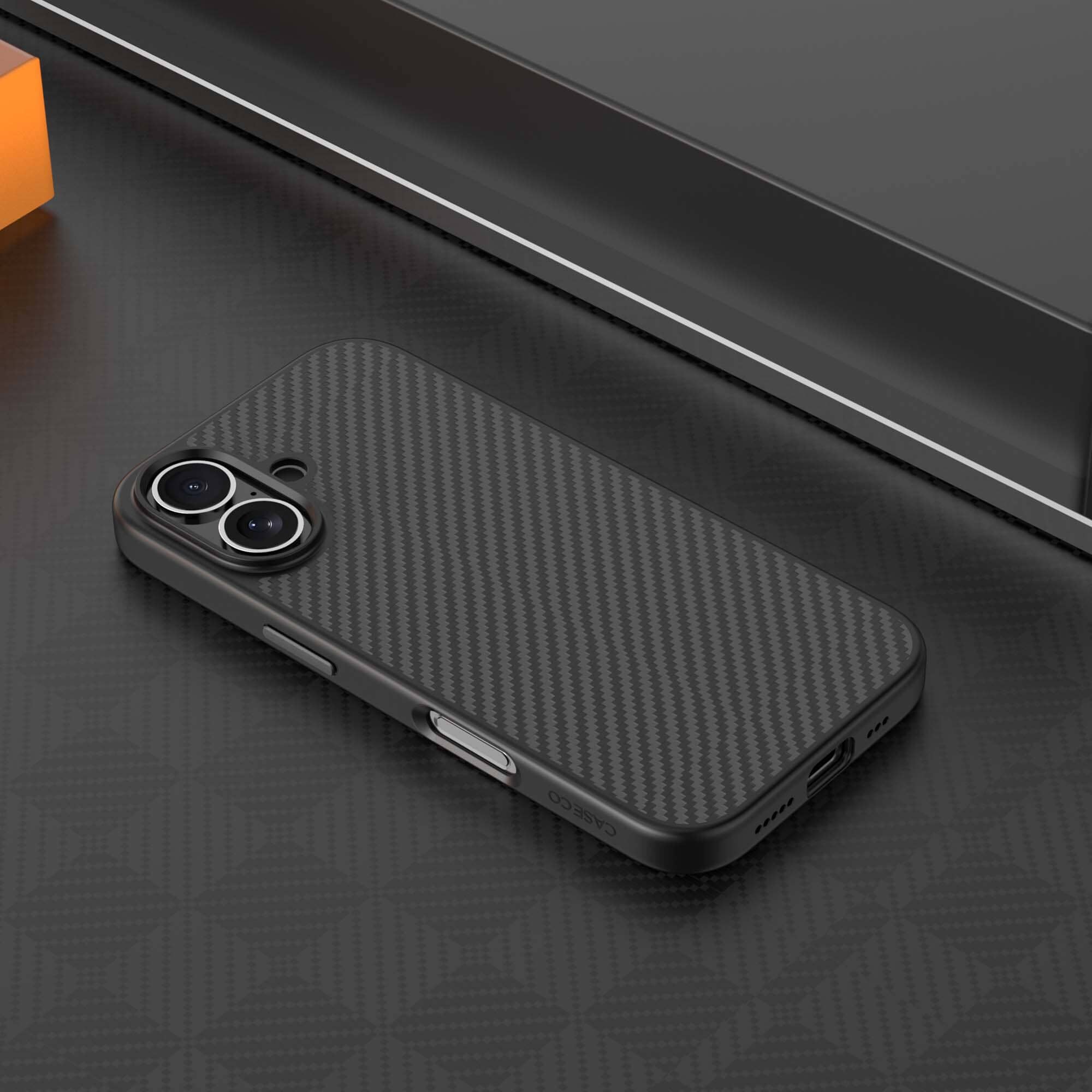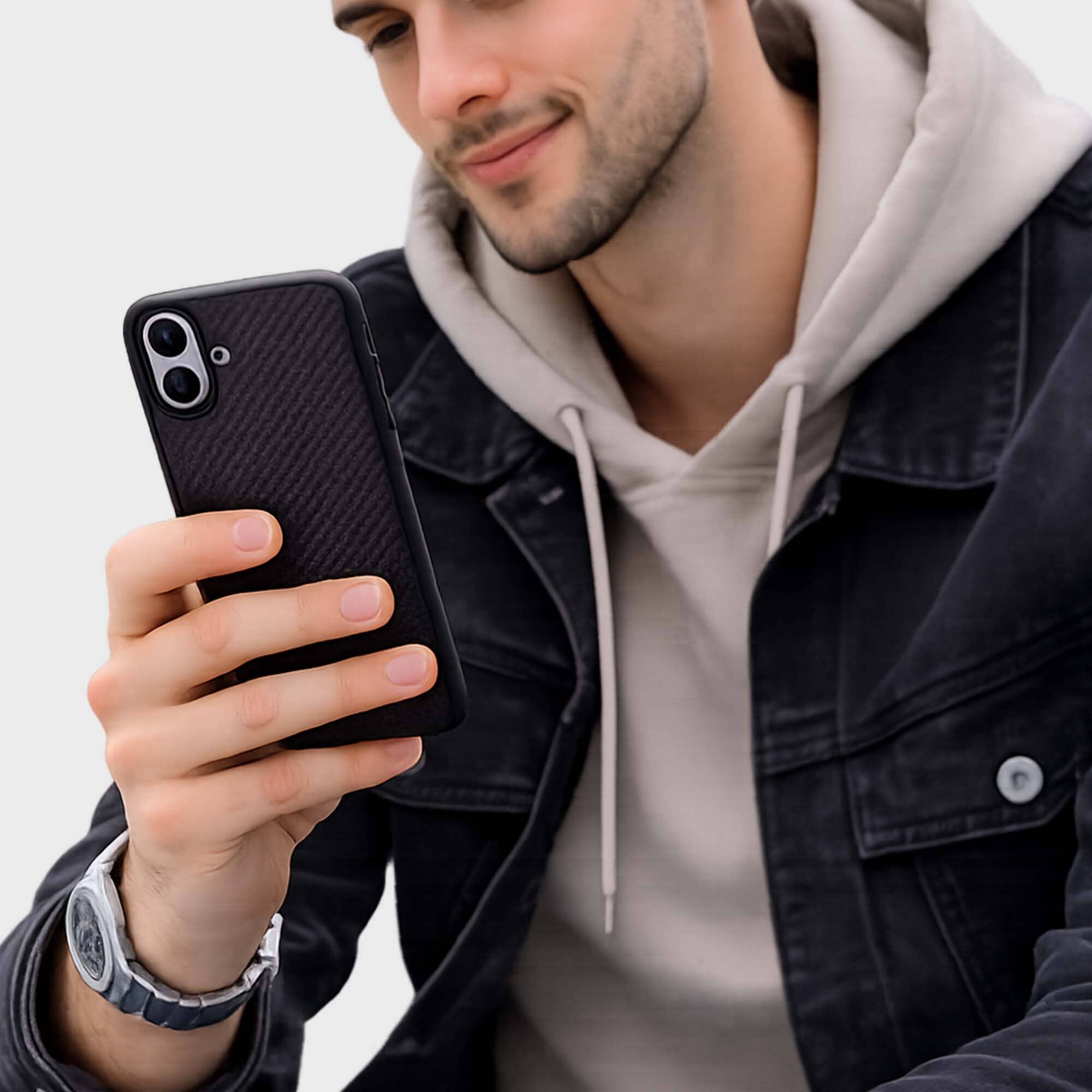
Most people don't drop their phone off a roof rack or take it on a construction site. Most people's biggest daily threat is a keychain in the same pocket, a countertop, or the inside of a bag. If that's you, the case aisle's obsession with military-grade drop ratings and inch-thick bumpers is solving a problem you don't have — and adding bulk to a phone that's already one of the largest Apple has ever made.
The iPhone 17 Pro Max is a big phone. Anything you put around it needs to earn its place, not just pad the spec sheet.
What "Enough Protection" Actually Means for Daily Use
Every case claims to protect your phone. The honest question is protection from what. For the vast majority of daily situations, a case needs to handle three things well:
-
Surface-level scuffs — the scratches from keys, coins, and countertops that don't crack anything but do make a $1,200 phone look beat up after a month.
-
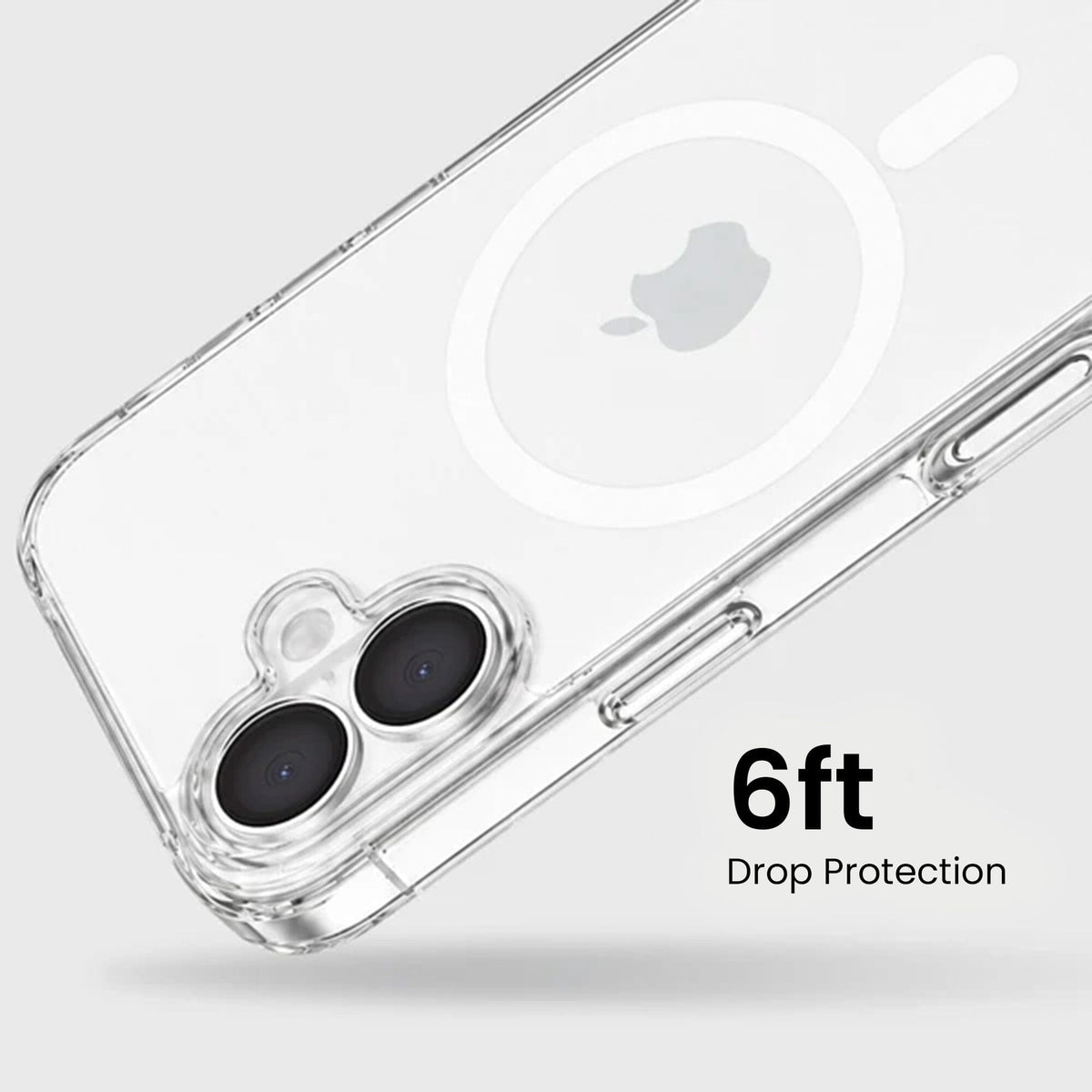
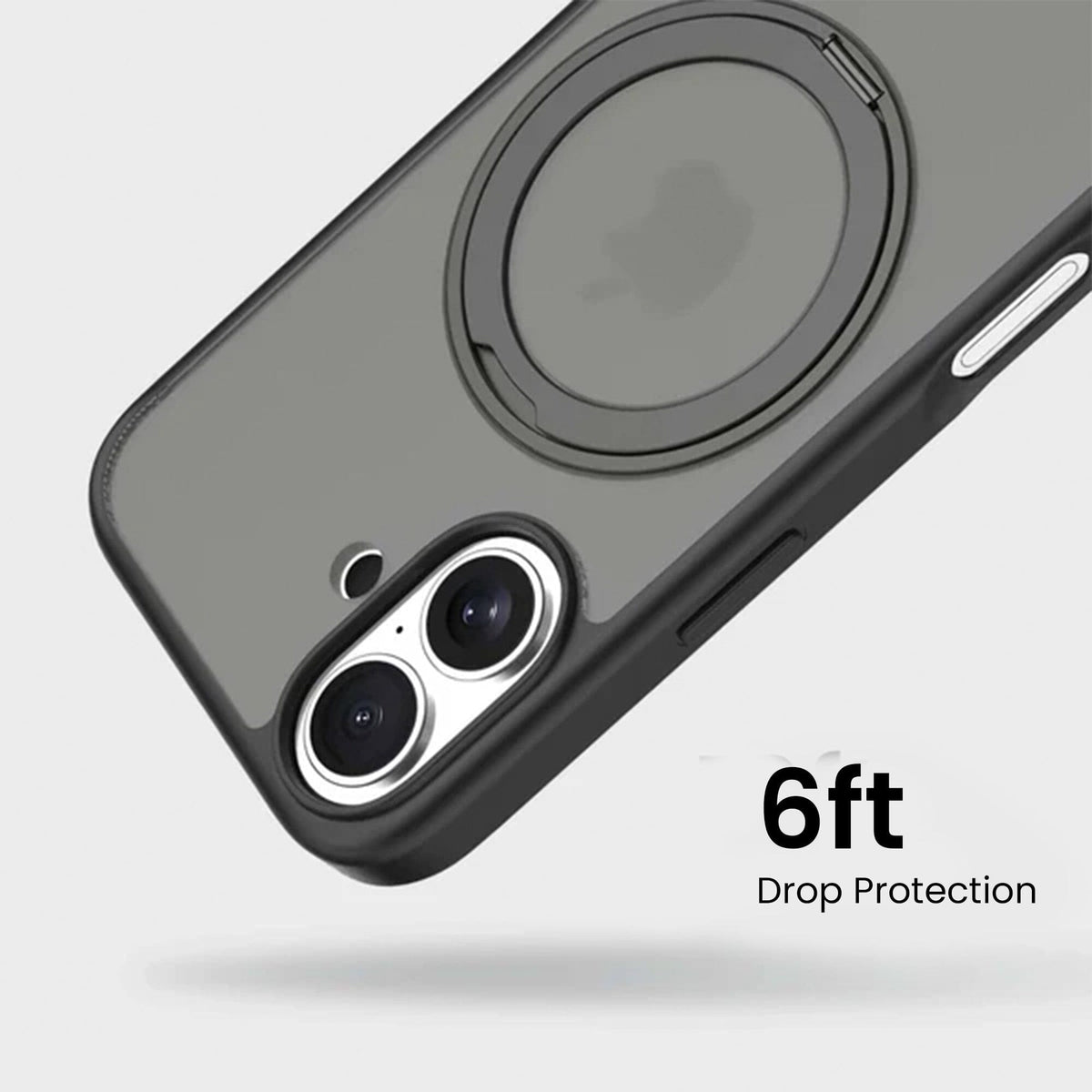
Short-drop impacts — the kind that happen from a hand, a couch, or a desk, not a ladder or a moving vehicle.
-
Grip — the iPhone 17 Pro Max's glass back is genuinely slippery, and a soft-touch case solves more accidental drops than any drop-test certification does.
A rugged case solves for a fourth category — high-impact, worst-case drops — but it does so by adding thickness and weight you'll feel in your pocket every single day. If that fourth category isn't your reality, you're paying a daily tax for a scenario that may never happen.
The Silicone Case With MagSafe: Built for This Exact Use Case
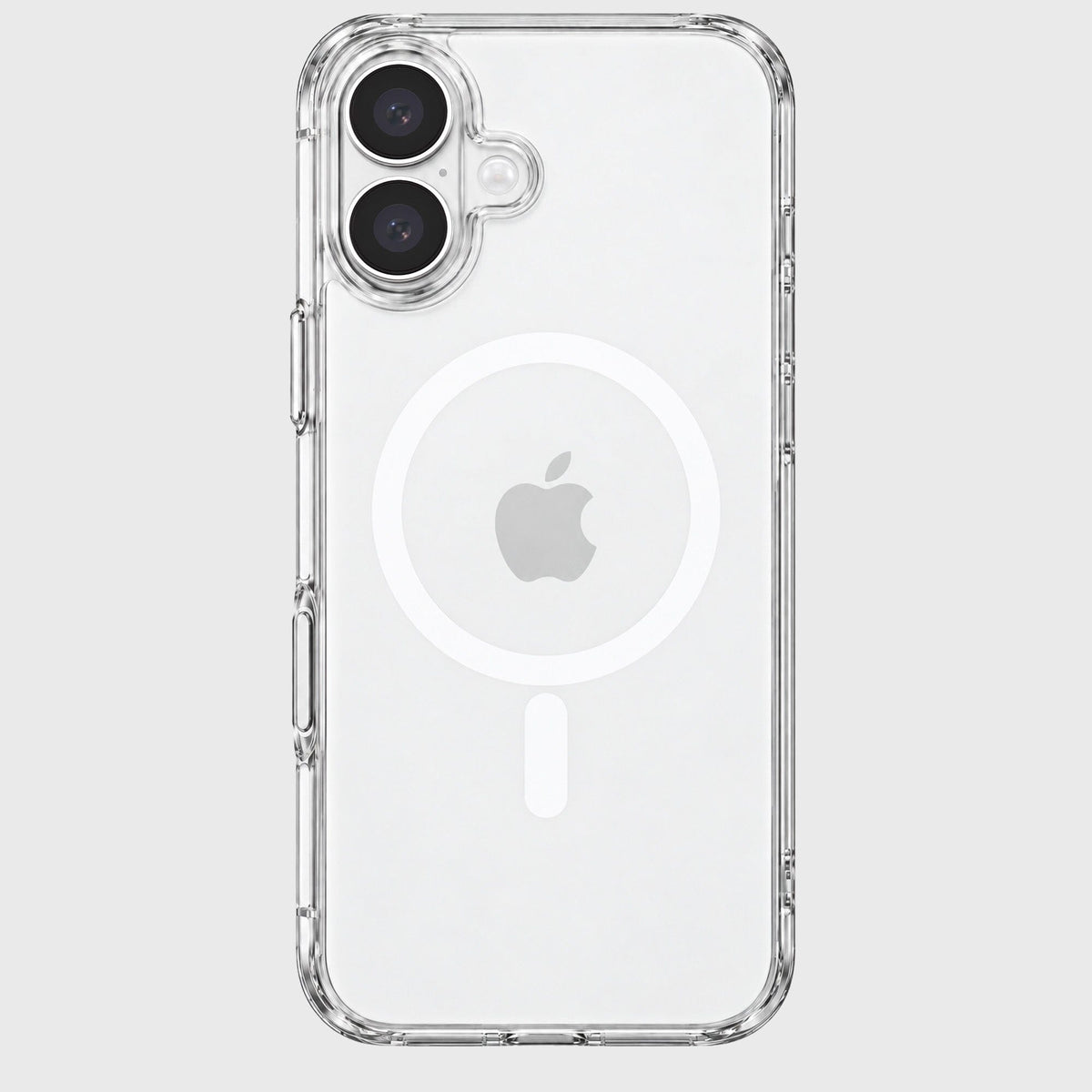
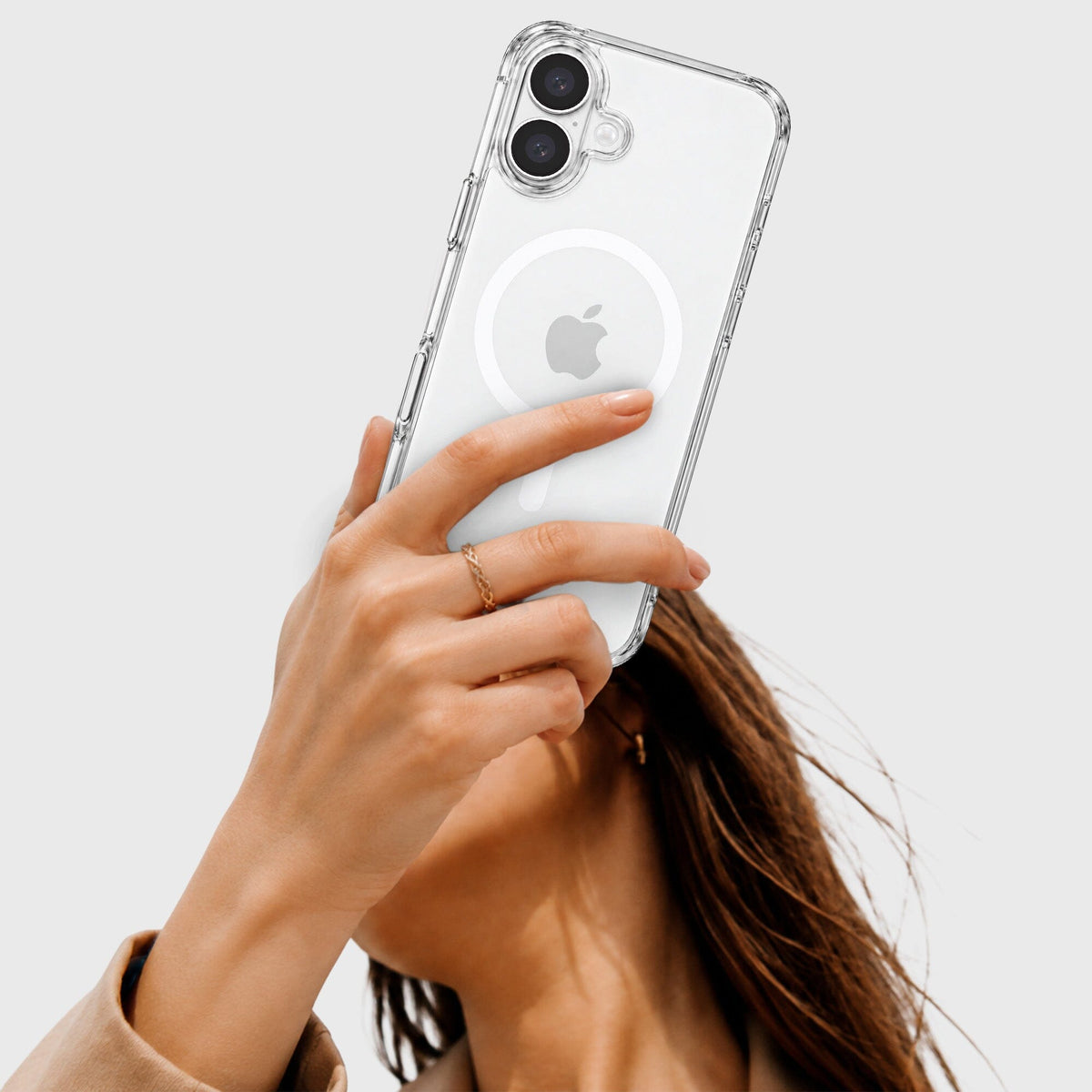
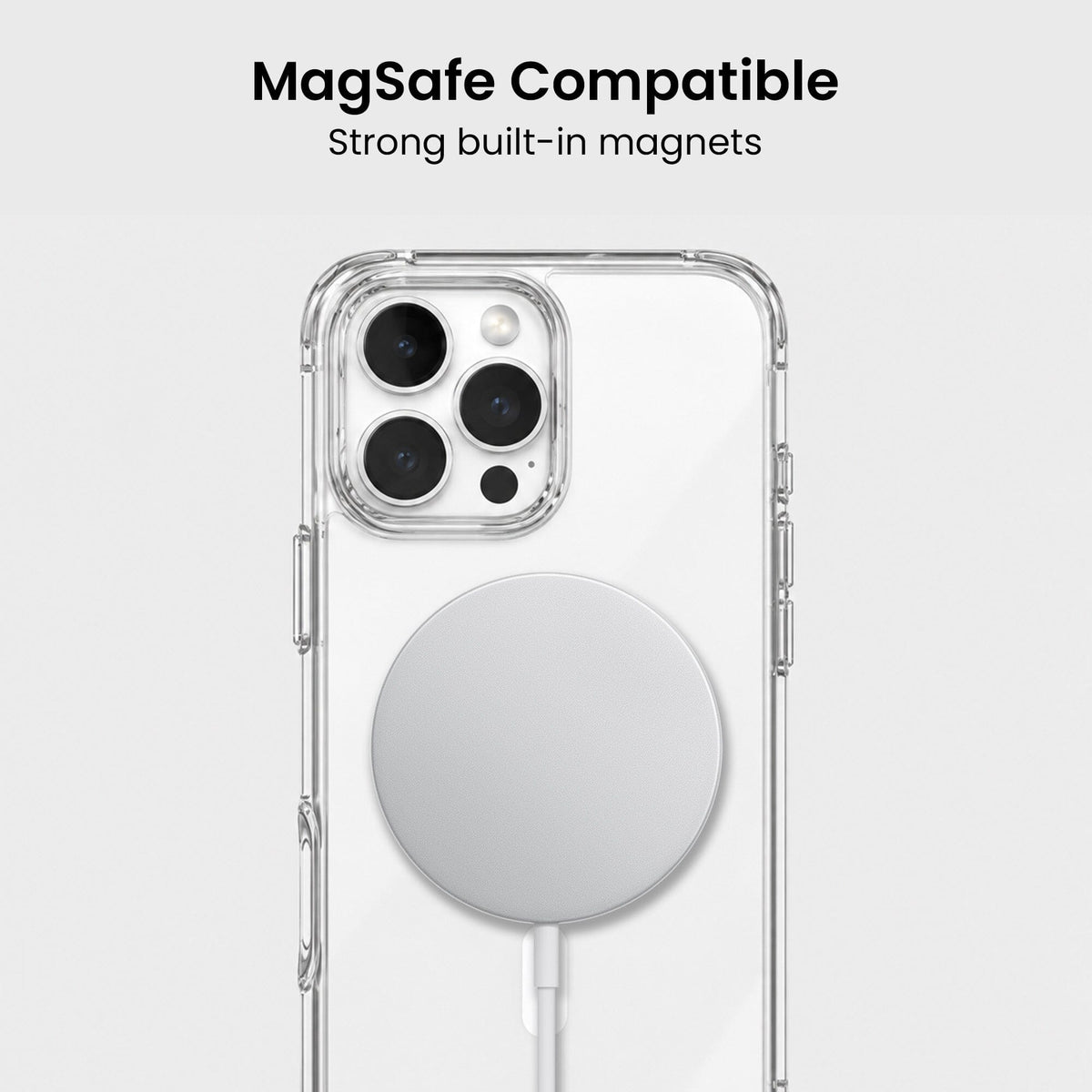
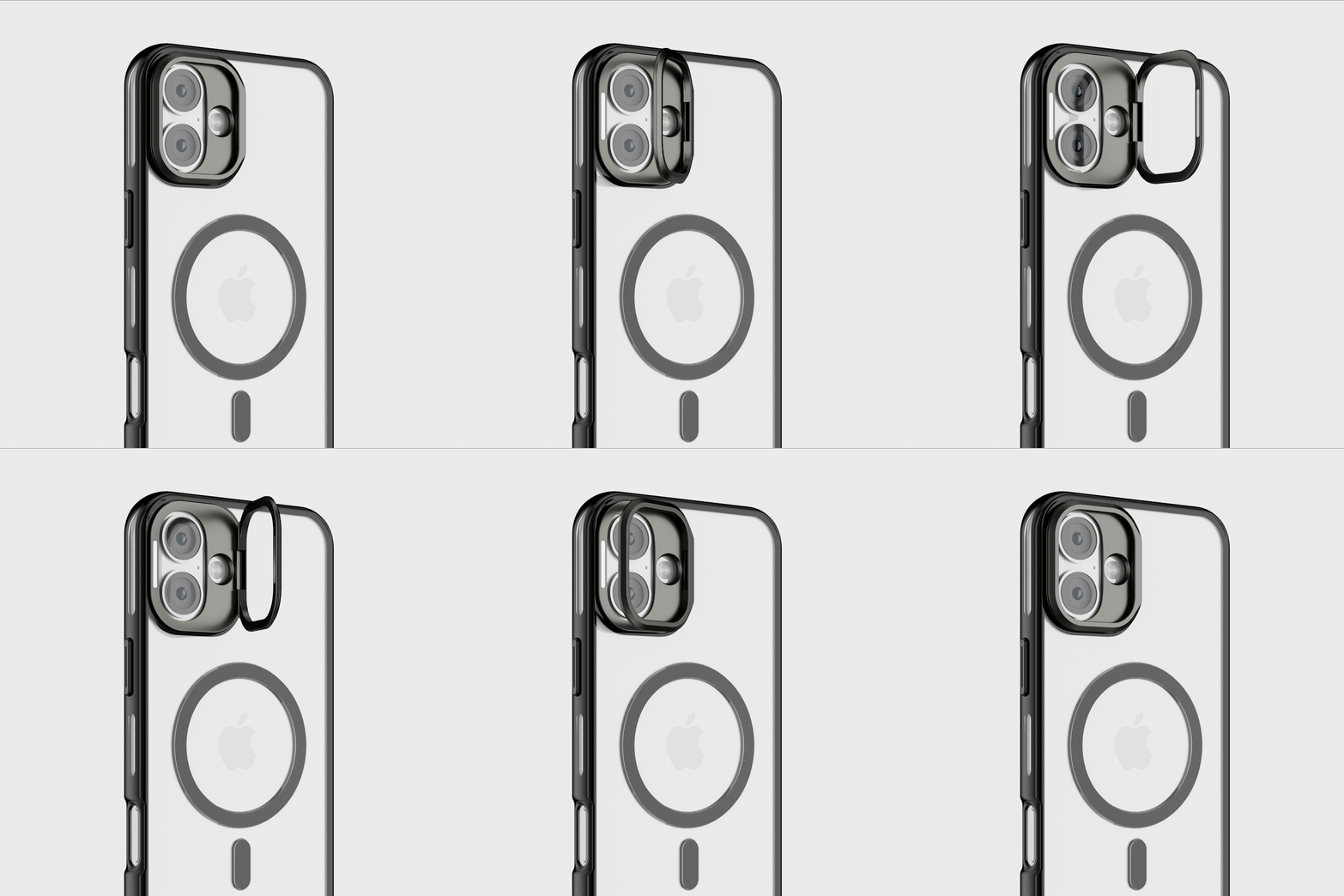
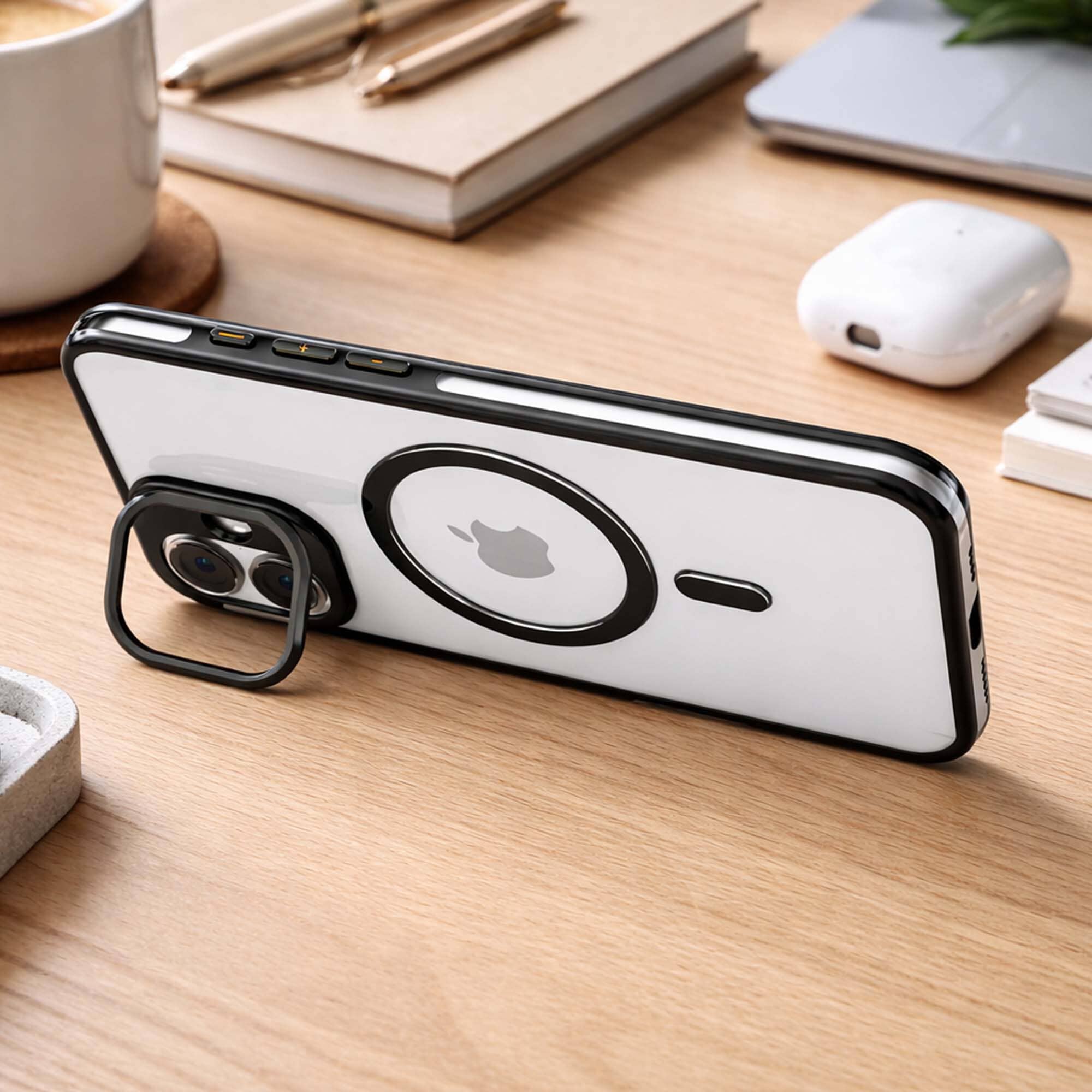
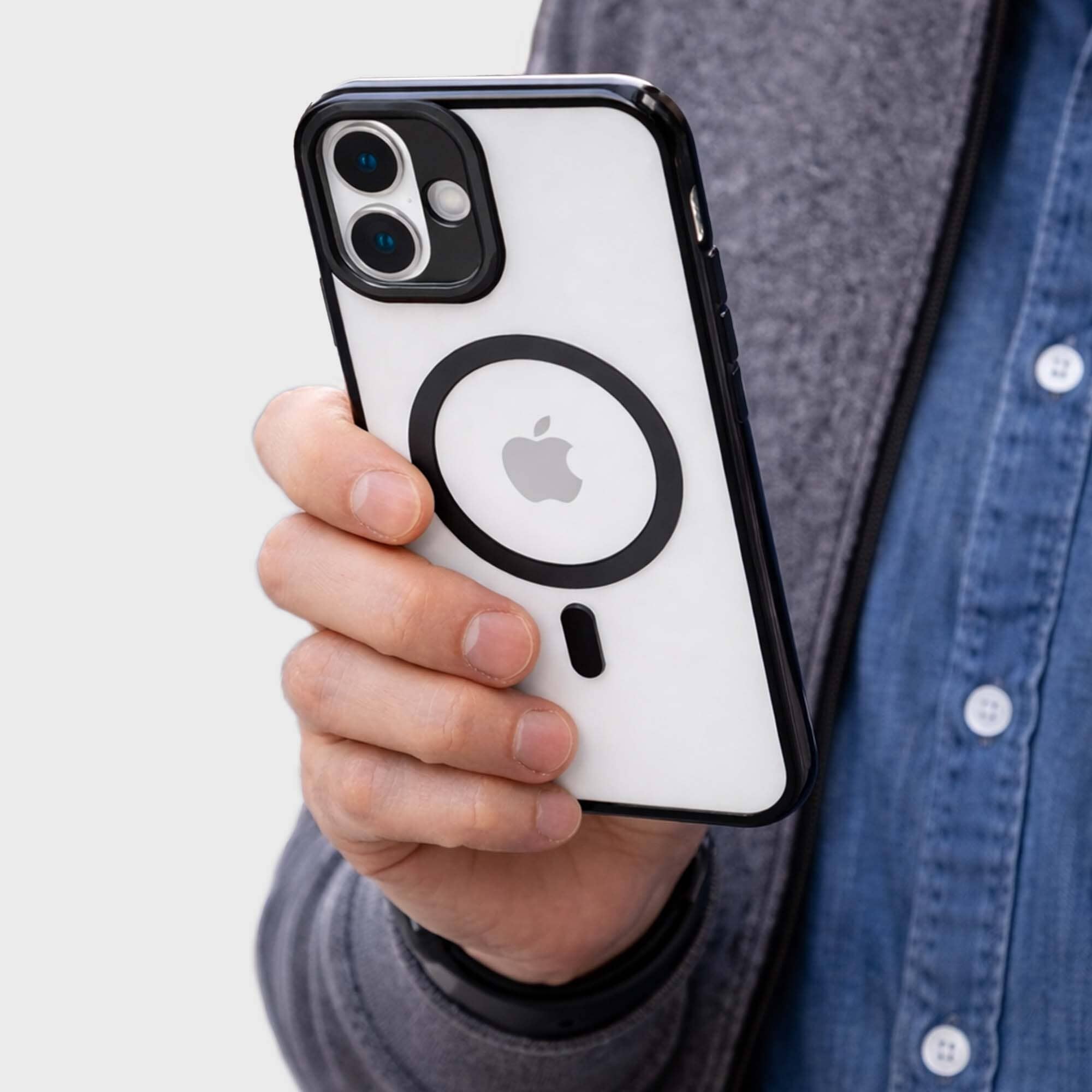
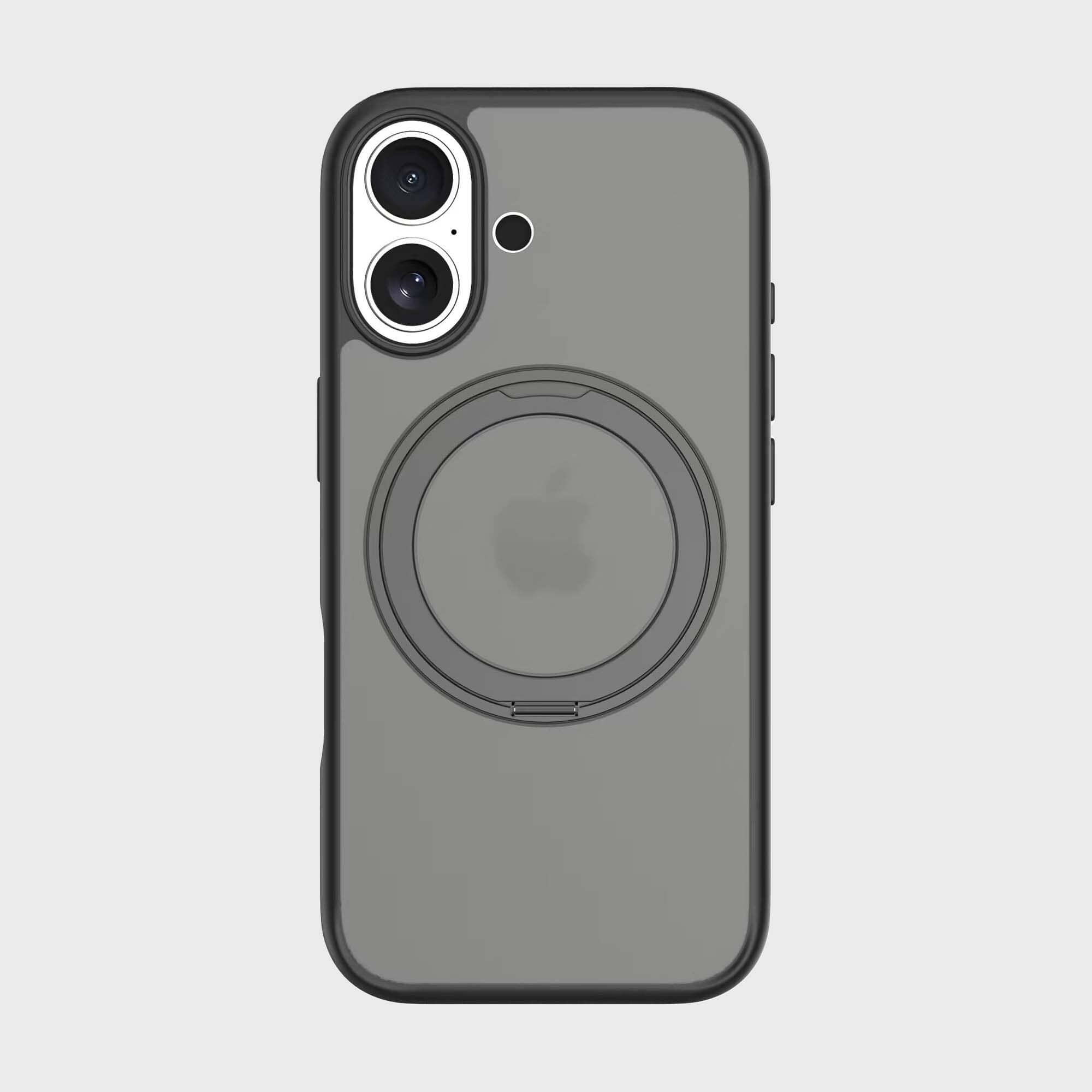
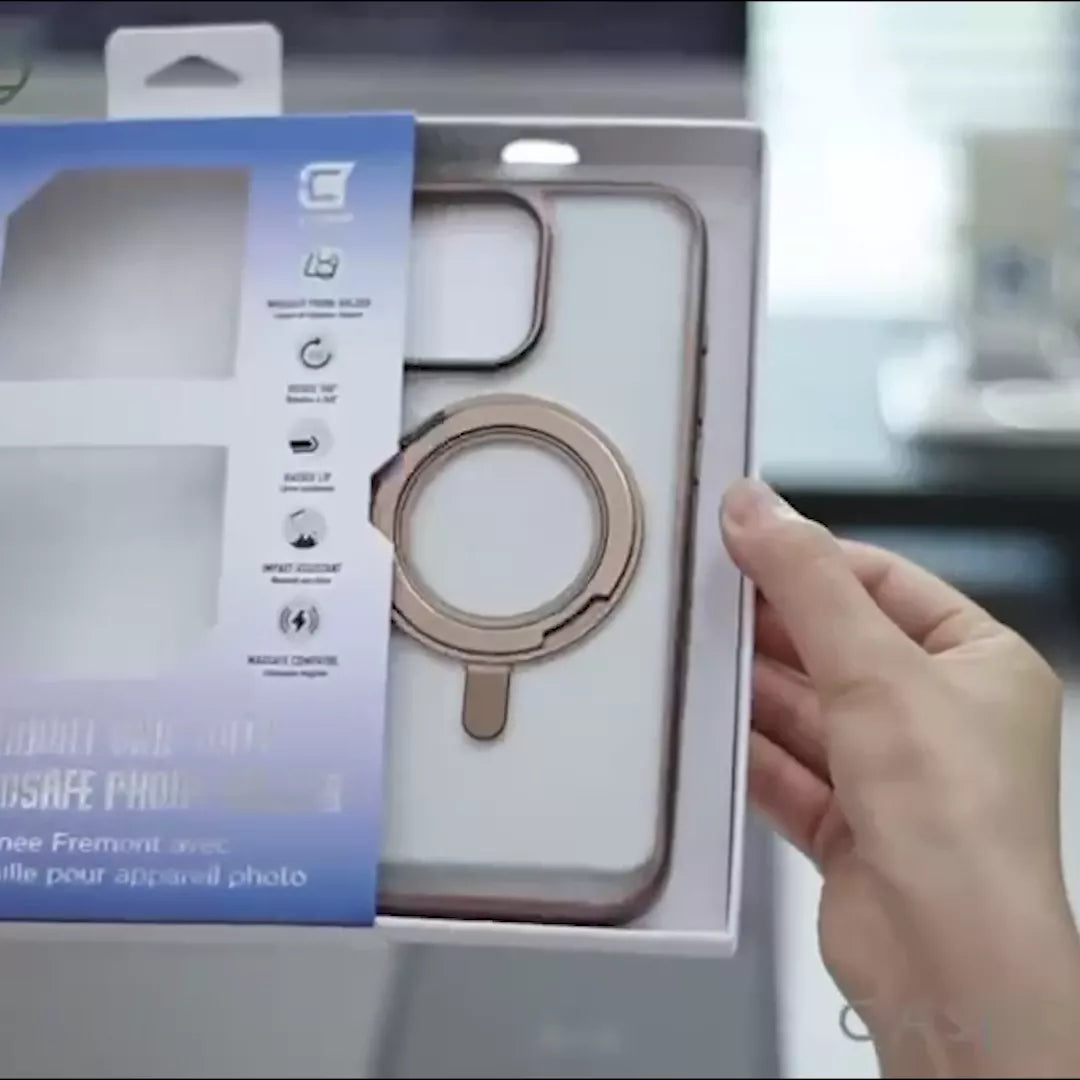
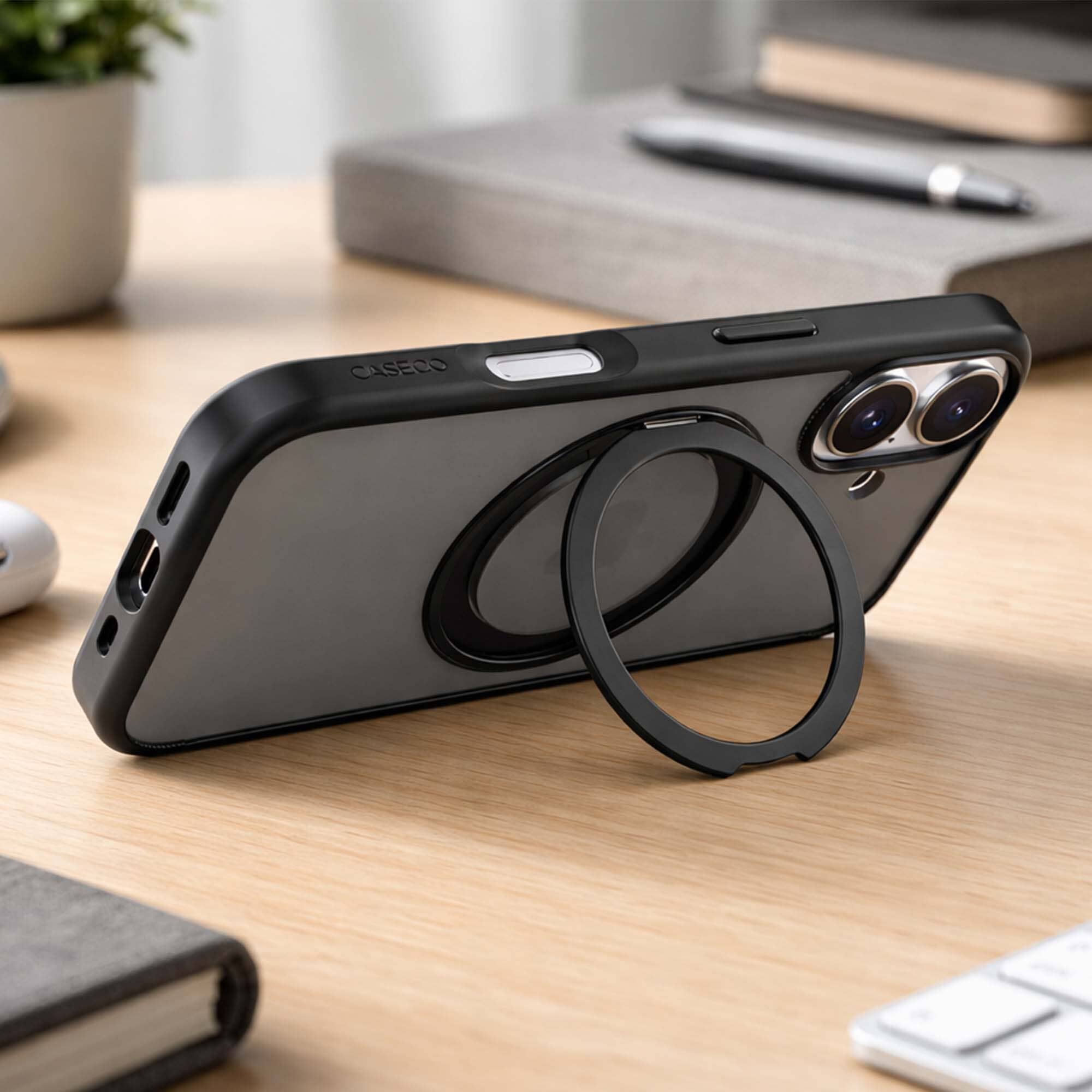
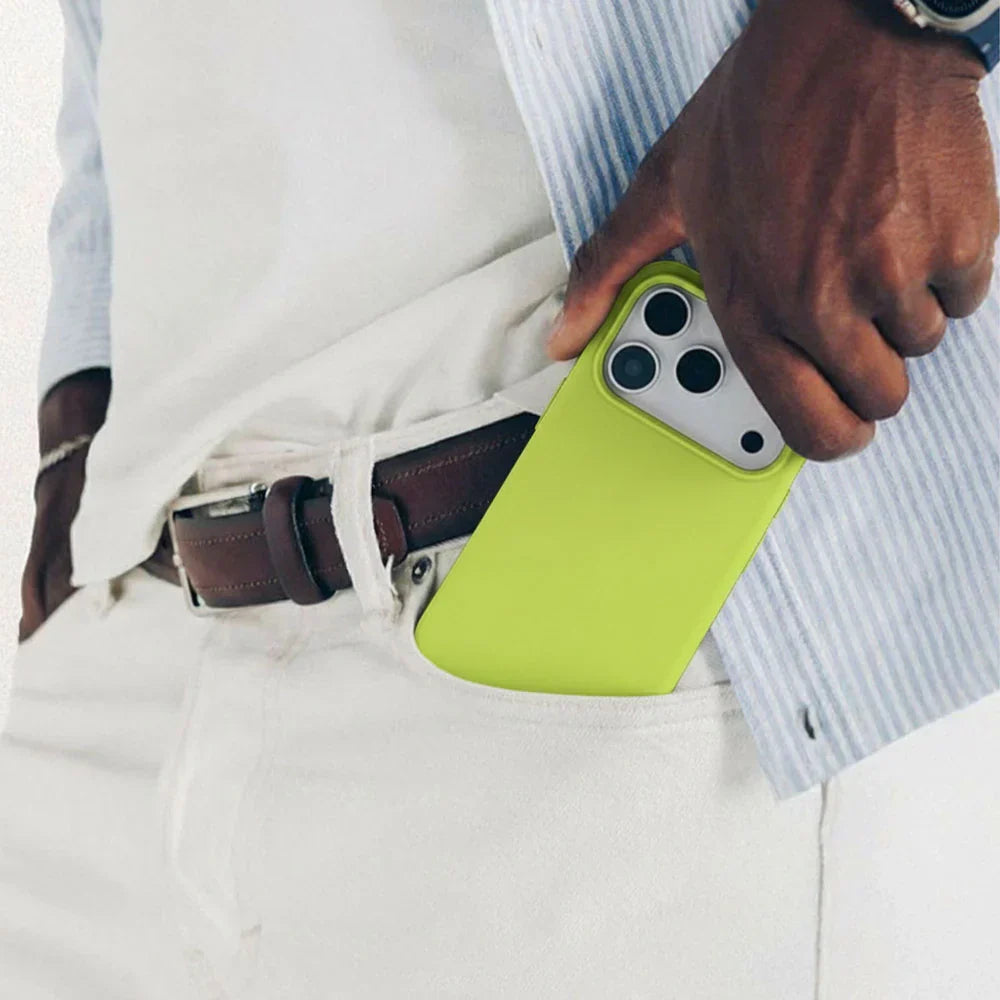
Caseco's Silicone Case With MagSafe is designed around that everyday reality. It's a soft-touch silicone shell — the same texture and grip you'd find on premium cases three times the price — with full MagSafe compatibility built in, so your charging puck, wallet, or car mount all still snap on with a strong, satisfying click.

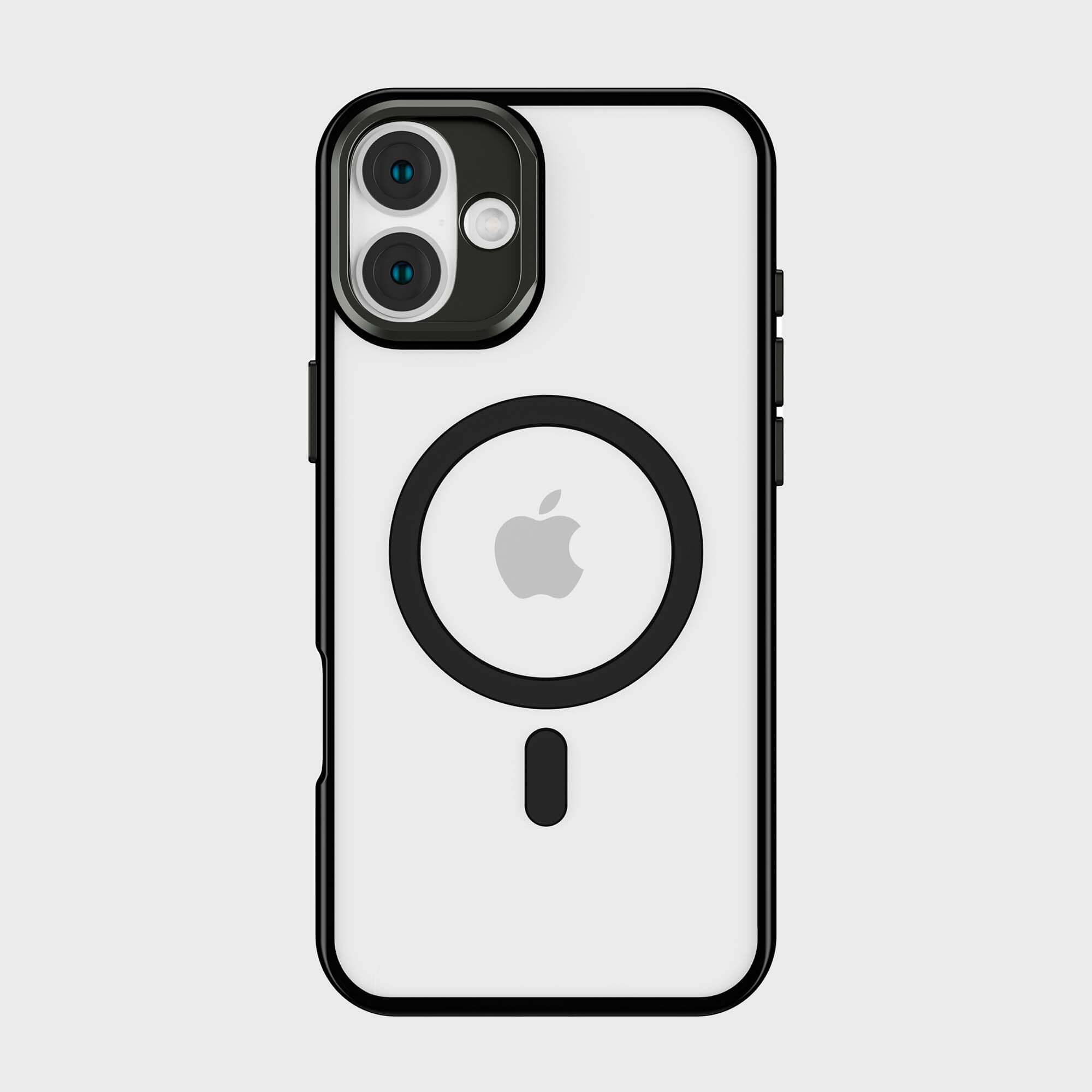
It comes in five colorways, which matters more than it sounds like: a case you actually like looking at is a case you'll keep on, instead of taking off "just for tonight" and forgetting to put back on before the one drop that would have mattered.
This is the case for:
-
Anyone who wants their phone to look and feel like a premium device, not a piece of equipment
-
Daily carry in a pocket or bag without construction sites, job sites, or rough outdoor conditions
-
People who use MagSafe accessories regularly and need a case that won't fight the magnet
-
Anyone tired of bulky cases that turn a sleek phone into a brick
What You're Trading Off, Honestly
A silicone case will not survive a drop onto concrete from shoulder height the way an aramid fiber case will. That's a real trade-off, not a marketing gap — thinner materials absorb less energy. The question isn't whether a rugged case protects more in an extreme drop, it's whether that extreme scenario is common enough in your life to justify carrying the thicker case every day between now and whenever it happens.

If you've dropped your phone from standing height a handful of times a year and it's always been onto a floor, a desk, or a couch, a well-made silicone case handles that completely. If you're regularly on a ladder, a job site, or moving equipment, it's worth reading our companion guide on aramid fiber protection instead.
The Bottom Line
Most people are over-solving for a drop scenario that happens rarely, and under-solving for the daily scuffs and slips that happen constantly. A slim, grippy, MagSafe-ready silicone case solves the problem you actually have, five days a week, without turning your phone into something you have to think about.